What the EN and ANSI/ISEA Standards Mean for Hand Protection
Testing to EN and ANSI/ISEA standards is crucial for validating material resistance to real on-the-job hazards, such as cuts, tears, abrasion, and punctures.
These tests are highly technical, but for good reason. Protective gloves need to perform in dangerous or hazardous environments, such as industrial manufacturing, tactical operations, firefighting, and motorsports.
EN and ANSI tests are powerful tools for glove industry professionals to quickly compare materials across abrasion, cut, and fire protection applications, and select the right level for the job while supporting compliance and regulatory requirements.

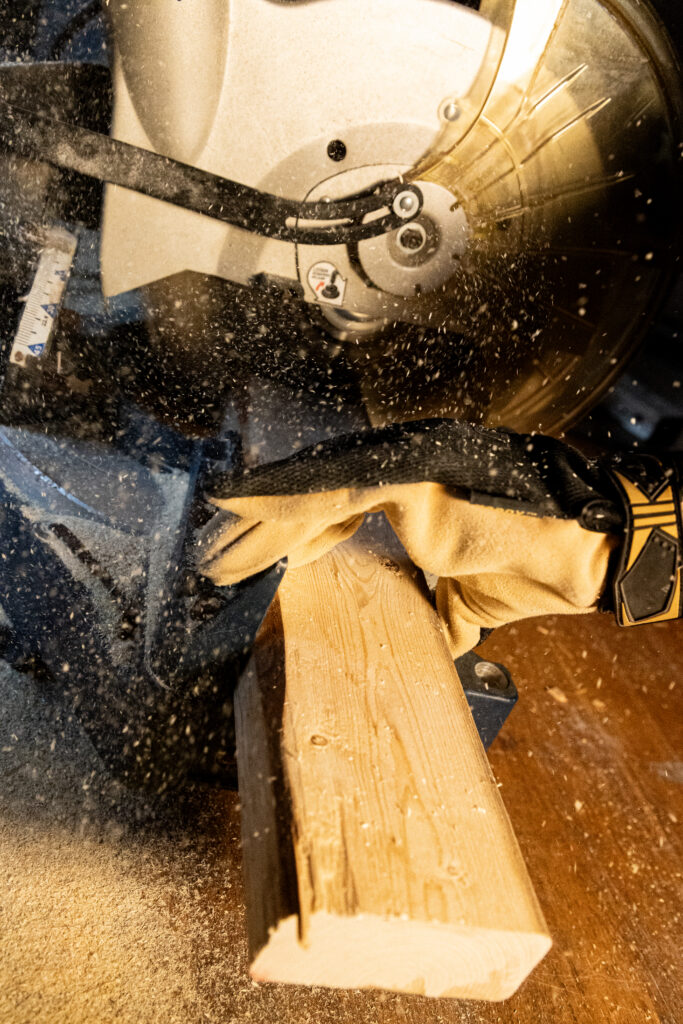

Purpose and Function of the EN and ANSI Ratings
The American National Standards Institute (ANSI) works in tandem with the International Safety Equipment Association (ISEA) to set standards for workplace safety such as personal protective equipment (PPE) and hand protection.
Similarly, the European Norm (EN) rating sets technical standards for systems, services, and products (like hand protection) within the European Union to ensure safety and compliance.
For hand protection, EN and ANSI ratings standardize testing methods and scoring systems to measure material resistance to specific hazards. AX Materials tests to EN and ANSI/ISEA ratings for resistance capabilities against critical hazards to help our global customers compare performance across markets and applications.

Abrasion Resistance Testing
Abrasion resistance testing demonstrates how well a material holds up against repeated friction or surface wear, which is critical for gloves used in high-contact environments.
- EN388 Abrasion
This test evaluates how long a material can withstand abrasion before wearing through. The material is scored on a scale from Level 1 to Level 4, with the higher levels indicating greater resistance.
Higher scores validate performance claims of long glove life, reduced replacement costs, and better protection for high-contact applications.
- ANSI/ISEA 105-2016 Abrasion
Unlike EN388, this test uses a 0-6 scale to assess durability under cycles of friction and high contact. Level 0 demonstrates that fewer than 100 cycles were needed to wear through the material using a 500g load, while Level 6 demonstrates continued durability at greater than 20,000 cycles using a 1,000g load.
Like EN388, the higher levels validate performance claims for glove life duration. ANSI ratings are commonly required in North America to compare materials across suppliers for use in industrial markets.

Tear Resistance Testing
Tear resistance measures how well a material resists ripping once a cut has already impacted the material. Tear resistance is an important factor for gloves used in environments with sharp or jagged hazards.
- EN388 Tear
This test occurs under controlled conditions to evaluate the force required to tear a material completely apart. Results are graded on a standardized scale of 1 through 4.
A higher score validates high tear resistance and performance claims that small cuts in a glove’s material won’t worsen and introduce safety hazards or decrease service life.
Cut Resistance Testing
While abrasion and tear resistance address durability, cut resistance focuses on protection against sharp objects.
In addition to abrasion and tear testing, we conduct cut resistance testing across multiple standards:
- EN388 Cut (TDM-100)
- ANSI/ISEA 105-2016 Cut
These tests are especially relevant for industrial safety gloves, tactical applications, and environments that risk exposure to blades or edges.
Fire, Flame, and Heat Resistance Testing
For jobs with heat and fire exposure, material resistance testing goes beyond mechanical durability. We conduct third-party testing for fire, flame, and heat protection, including:
- ASTM D6413 Vertical Flame Test
- EN407 Burning Behavior / Contact Heat

Performance Testing Should be Comprehensive
Material resistance ratings certainly help quantify performance, and are a great design and validation tool, but they serve a broader purpose than simply checking a box.
Knowing how glove materials perform in these high-stress testing situations helps glove manufacturers balance protection, dexterity, comfort, and durability. We’re proud to give our customers a clear understanding of how materials compare, which materials are best for the intended purpose, and what certifications and requirements have been met or exceeded.
Our goal is to deliver material performance that our customers can document, defend, and depend on.
Resistance Ratings Meet Real-World Performance
Resistance ratings don’t tell the whole story about a glove material, but they set a critical foundation that only enhances protection capabilities when combined with material engineering, application expertise, and real-world testing.
Whether you’re evaluating materials or designing your next glove line, you know the importance of EN and ANSI/ISEA ratings in making smart, safe material choices. Another important component is partnering with a supplier who can prove that performance.
Third-party testing is at the core of our promise to deliver materials that provide durable, lasting hand protection, and we work closely with brands and manufacturers to ensure every material meets specific performance needs and requirements.
Reach out to our team to learn more about how we help manufacturers improve glove performance for high-demand, high-risk industries.