From the moment glass breaks, every step of the disposal process matters, not only for the person cleaning it up, but also for sanitation workers, facility teams, and anyone else who may come into contact with the waste. A disciplined approach that begins with the right hand protection and ends with secure, clearly labeled disposal helps reduce injuries, improve workplace safety, and ensure hazardous materials are managed responsibly.
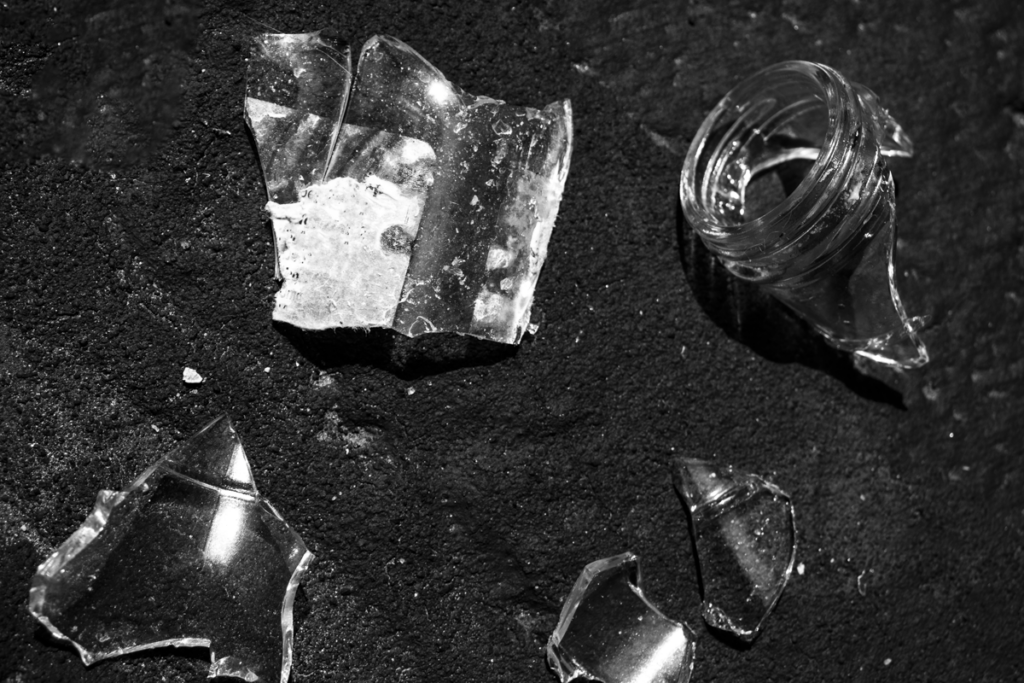
Protect Your Hands First
Before approaching broken glass, take safety measures to protect yourself. Wearing cut-resistant gloves provides a critical first line of defense, creating the difference between confidently handling a hazardous situation and becoming part of it.
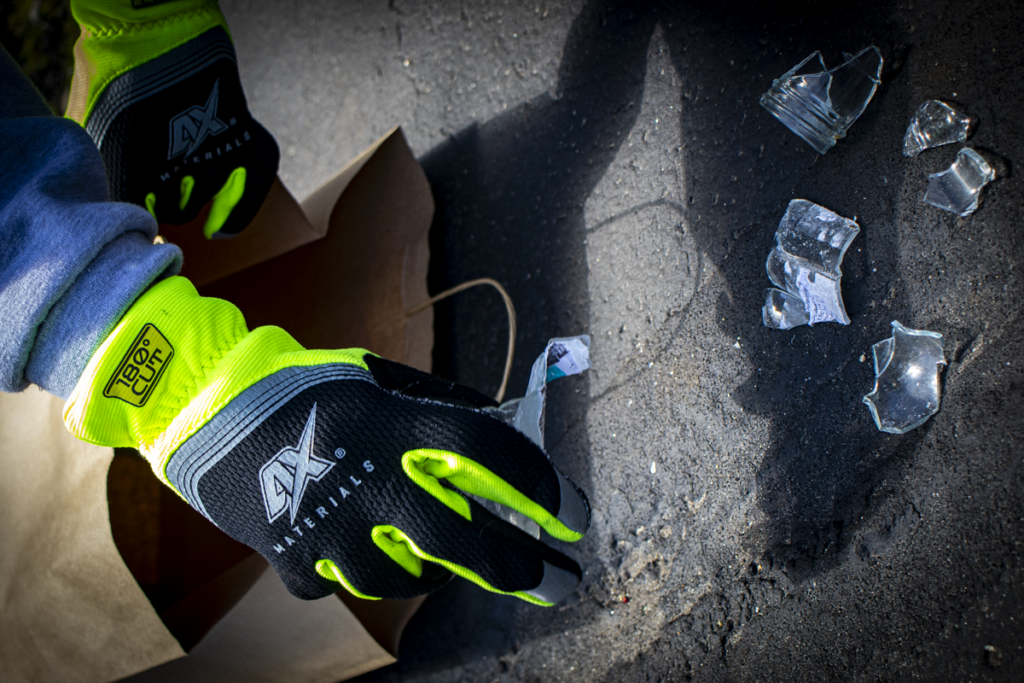
Cut-resistant gloves made with materials like AX Cutora™ help keep sharp edges contained and controlled, so they cannot slice through on contact or cause unexpected injuries during the handling, transfer, or disposal of glass. This level of protection supports safety programs, reduces incident rates, and helps maintain productivity wherever glass is in use.

Wrap Glass in a Paper Bag
Once hands are protected, the next step is to immobilize and shield the broken glass. Place all shards and fragments (large and small) into a sturdy paper bag (not plastic). The rigid, flexible structure of the bag adds an important barrier between sharp edges and anyone who might come into contact with the waste.
Multiple layers of paper act as an additional containment system, helping to neutralize jagged points and prevent them from puncturing through. This careful wrapping system significantly lowers the risk of cuts for sanitation workers, facility staff, and anyone moving the trash, especially when bags are compacted or shifted in transit.
Secure with Tape
After the glass is wrapped, seal the bag completely with strong tape. Glass can shift, settle, and slide inside a container, particularly during transport, compaction, or when multiple bags are stacked together. An unsecured bundle can open at the worst possible moment, like when a worker lifts, drags, or compresses the bag, which can expose sharp edges without warning. By taping openings and reinforcing seams, you create a stable, predictable package that is far less likely to break open, reducing the chance of accidental cuts and ensuring safer handling across the entire waste stream.
Label It
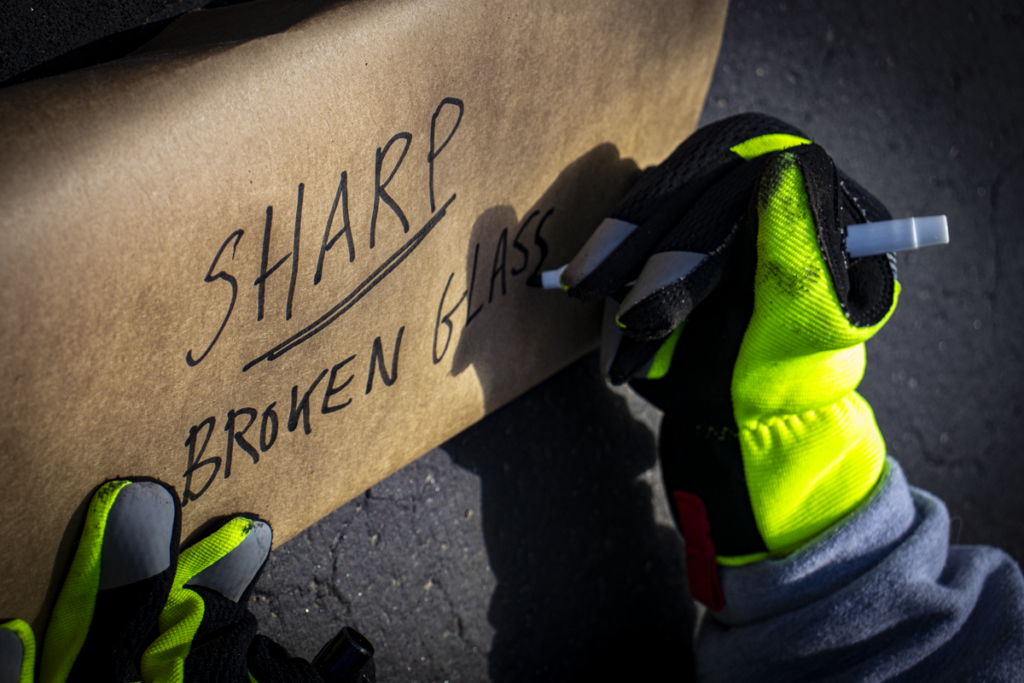
Proper labeling is an essential part of responsible disposal. Sanitation workers and facility teams cannot see through opaque trash bags, so they rely on visible warnings to identify potential hazards inside. Clearly mark the outside of the bag with a bold label such as “SHARP – BROKEN GLASS” or use a standardized hazard indication if available. This simple step allows anyone handling the waste to adjust their grip, use appropriate protective equipment, and avoid unnecessary contact with the bag’s high-risk areas.
Throw Away
Broken glass should never be placed in recycling. Once shattered, glass fragments can easily contaminate entire recycling streams, damage sorting and processing equipment, and put workers at material recovery facilities at significant risk of lacerations. Instead, dispose of properly wrapped, taped, and labeled broken glass with regular trash, in accordance with local regulations.
By following this process step-by-step, you help protect yourself, every worker who handles the waste, and support a safer, more responsible materials-handling environment.
